June 2, 2026
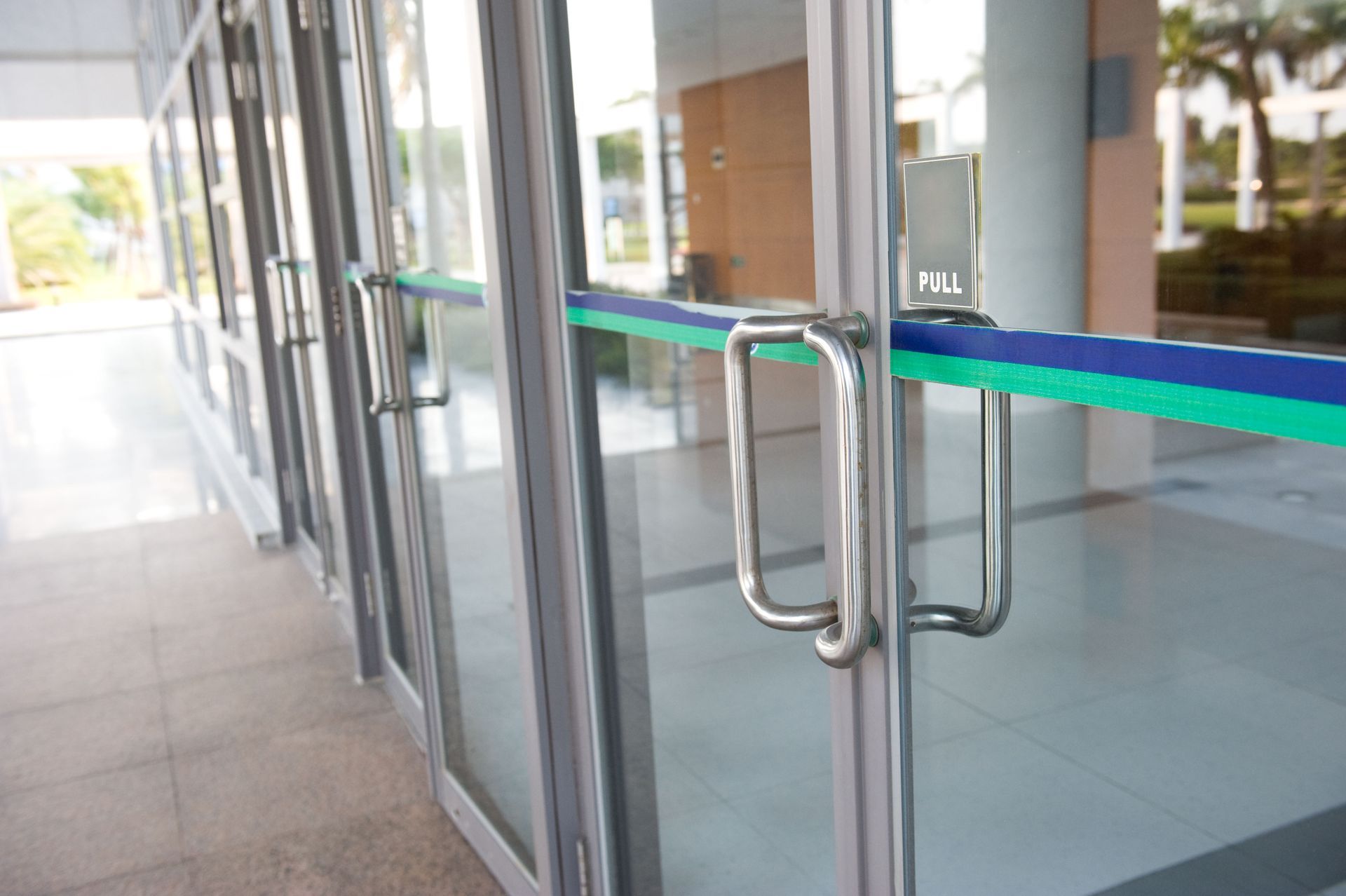
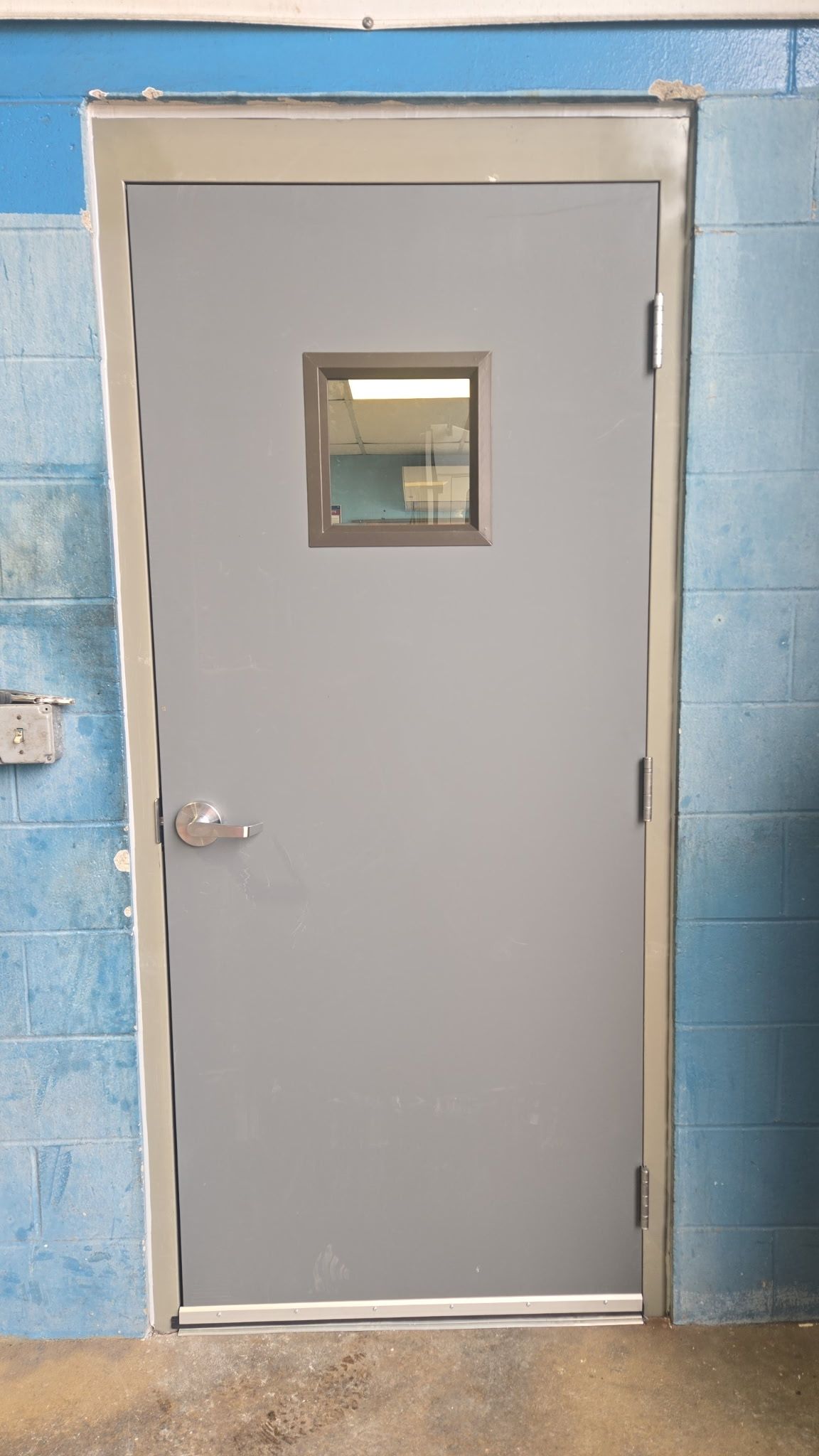
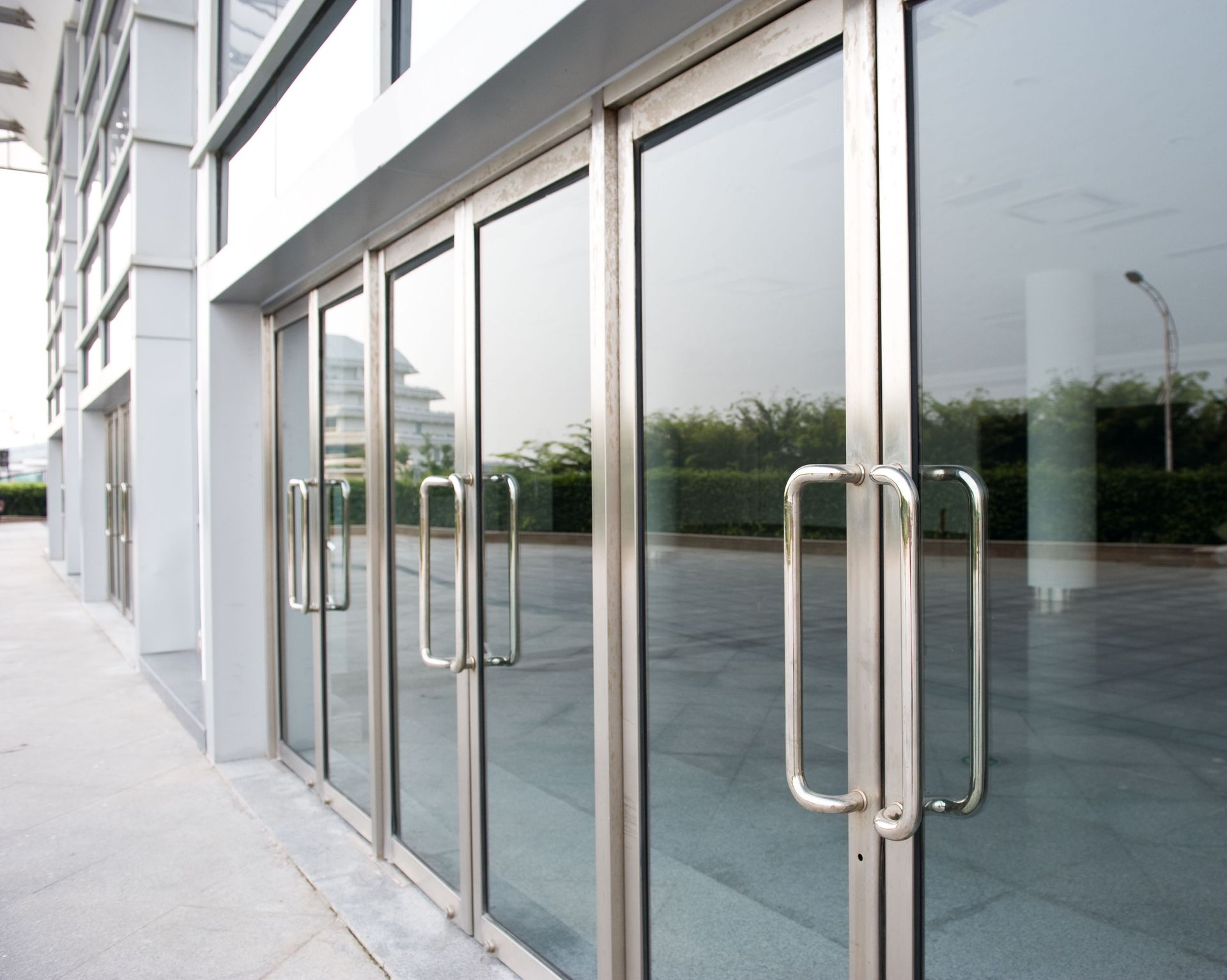
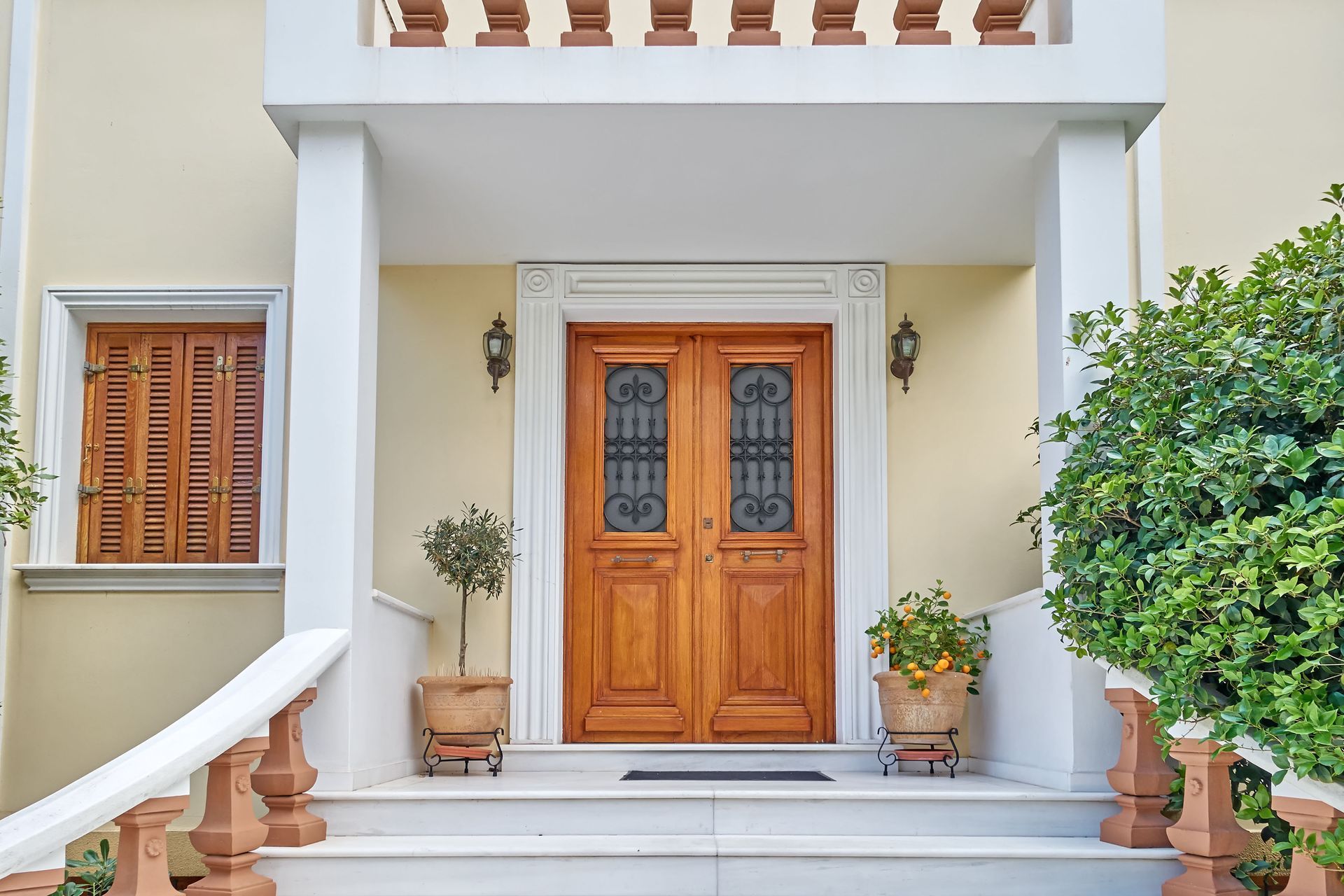
Replacing a door at a business may seem like a simple project, but it often involves more decisions than owners expect. A door affects security, accessibility, energy efficiency, daily workflow, customer impressions, and long-term maintenance costs. When a door is damaged, outdated, difficult to operate, or no longer suited to the building, replacing it can improve both function and appearance. However, focusing only on the visible door panel can lead to missed details that affect performance after installation.
Business owners should look beyond the basic style and price of a replacement. The right commercial door must fit the building, support daily use, meet safety requirements, and work with the surrounding hardware and frame. According to Mordor Intelligence, the windows and doors market is projected to expand at a compound annual growth rate of 4.59% between 2025 and 2030. As more businesses invest in updated entry systems, understanding what is commonly overlooked can help owners make smarter replacement decisions.
Evaluating Security Needs
Security is one of the most important factors to consider when replacing a business door. Some owners choose a replacement based mainly on appearance, only to discover later that the door does not provide the protection their facility needs. A storefront, warehouse, office, school, or medical building may each require different levels of strength, visibility, locking capability, and access control compatibility. Considering these needs early helps ensure the replacement supports both daily access and after-hours protection.
Before selecting a replacement, owners should think about how the entrance is used, what assets need protection, and whether the door supports existing security systems. The right commercial door should work with locks, closers, panic hardware, card readers, cameras, and other protective features. Security planning during replacement can help reduce vulnerabilities and improve peace of mind. It can also help business owners avoid costly upgrades later if the original replacement does not meet safety expectations.
Checking Frame Conditions
A replacement door is only as reliable as the frame supporting it. Business owners sometimes assume the frame can remain in place, but frames may be bent, rusted, cracked, or out of square. If the frame is damaged, even a high-quality door may not close properly, seal correctly, or provide dependable security. Older frames may also struggle to support updated hardware or modern locking systems designed for improved protection and performance.
Inspecting the frame before installation helps prevent future problems. A professional can determine whether the frame should be repaired, reinforced, or replaced along with the door. Addressing frame issues early helps the new door operate smoothly and prevents avoidable service calls after the project is complete. Proper frame alignment can also improve energy efficiency by helping the door create a tighter and more dependable seal.
Reviewing Hardware Compatibility
Hardware is often overlooked during door replacement, even though it plays a major role in daily performance. Hinges, handles, closers, locks, panic bars, weatherstripping, thresholds, and access systems all need to work together. If old hardware is reused without inspection, it may cause performance problems or reduce the effectiveness of the new installation. Worn or outdated hardware can also create safety concerns, especially in buildings that experience heavy daily traffic or require secure entry management.
Business owners should review whether existing hardware is still safe, compliant, and compatible with the new commercial door. In some cases, upgrading hardware at the same time can improve security, accessibility, and ease of use. Proper hardware selection also helps reduce wear on the door and supports smoother operation over time. Investing in quality hardware can also minimize future repair costs and help the entire entry system remain dependable for years after installation.
Considering Code Requirements
Commercial doors often need to meet building codes, fire safety rules, and accessibility standards. These requirements may affect door width, swing direction, hardware type, fire rating, threshold height, and emergency exit function. Owners who overlook code requirements may face delays, failed inspections, or costly corrections after installation. Regulations may also vary depending on the type of business, occupancy level, and intended use of the building, making proper planning especially important during replacement projects.
Code compliance is especially important for public entrances, emergency exits, fire-rated openings, and high-occupancy spaces. A knowledgeable door professional can help identify which requirements apply to the building. Planning for compliance from the start helps protect employees, customers, and visitors while reducing the risk of future problems. It can also help businesses avoid liability concerns and ensure the replacement supports safe evacuation and accessibility when needed.
Assessing Traffic Patterns
Every business uses its entrances differently. A door in a busy retail space may open hundreds of times a day, while a warehouse door may need to withstand carts, equipment, deliveries, and heavy employee traffic. Choosing a door without considering daily use can lead to premature wear and frequent repairs. High-traffic environments often require stronger materials and reinforced hardware to support consistent use without affecting performance or safety.
Owners should think about who uses the door, how often it opens, and what passes through it. A durable commercial door should match the demands of the space, whether the priority is customer access, employee movement, deliveries, security, or equipment clearance. Matching the door to traffic patterns helps extend service life and improve daily operations. It can also reduce maintenance interruptions and help businesses maintain smoother workflows throughout the day.
Improving Energy Performance
Doors can affect heating and cooling costs more than many business owners realize. Gaps, poor seals, damaged thresholds, and improper installation can allow conditioned air to escape and outdoor air to enter. Over time, this can make HVAC systems work harder and increase utility expenses. Energy loss around entrances may also create inconsistent indoor temperatures that affect employee comfort and customer experience throughout the building.
When replacing a door, owners should consider insulation, weatherstripping, glazing, seals, and fit. A properly installed replacement can help reduce drafts, improve indoor comfort, and support better energy efficiency. This is especially valuable for businesses with climate-sensitive spaces, customer-facing areas, or high heating and cooling demands. Improved energy performance can also help businesses manage long-term operating costs more effectively.
Planning Installation Timing
Door replacement can temporarily affect access, security, deliveries, and customer flow. Business owners sometimes underestimate how installation timing may disrupt normal operations. If the replacement is scheduled during peak hours or without preparation, it can create inconvenience for employees, customers, and vendors.
Planning ahead helps minimize disruption. Owners should consider business hours, delivery schedules, weather conditions, temporary access needs, and security during installation. Coordinating with an experienced installer can help ensure the commercial door replacement is completed efficiently while limiting downtime and maintaining safe access to the building.
Preparing for Long-Term Maintenance
A new door still needs proper care to remain dependable. Business owners may focus on installation but forget to ask about maintenance requirements. Regular inspections, lubrication, hardware adjustments, closer checks, seal replacement, and cleaning can all help extend the life of the door system.
Understanding maintenance needs before choosing a door can also help owners select materials and hardware that fit their budget and usage level. A well-maintained commercial door can provide better security, smoother operation, and fewer unexpected repairs. Planning for maintenance protects the investment and helps the entrance continue performing as intended.
Replacing a business door involves more than selecting a new panel and scheduling installation. Owners should consider security needs, frame condition, hardware compatibility, code requirements, traffic patterns, energy performance, installation timing, and long-term maintenance before making a decision. By looking at the full door system, businesses can avoid common mistakes and choose a replacement that supports safety, efficiency, and daily operations. For professional help choosing and installing the right commercial door for your business, contact New England Door Solutions.